Ultimate Guide to Baking Packaging: Choosing the Best Containers for Freshness and Presentation
Quality packaging is critical for sustaining the freshness of baked goods while enhancing their visual appeal. It serves not only to preserve freshness but also to attract customers and strengthen brand identity. Multiple materials and design factors serve a key function in this process. Learning to identify the right packaging solutions can profoundly affect a baker's achievements. Which considerations should bakers evaluate to ensure their packaging satisfies both functional and visual requirements?
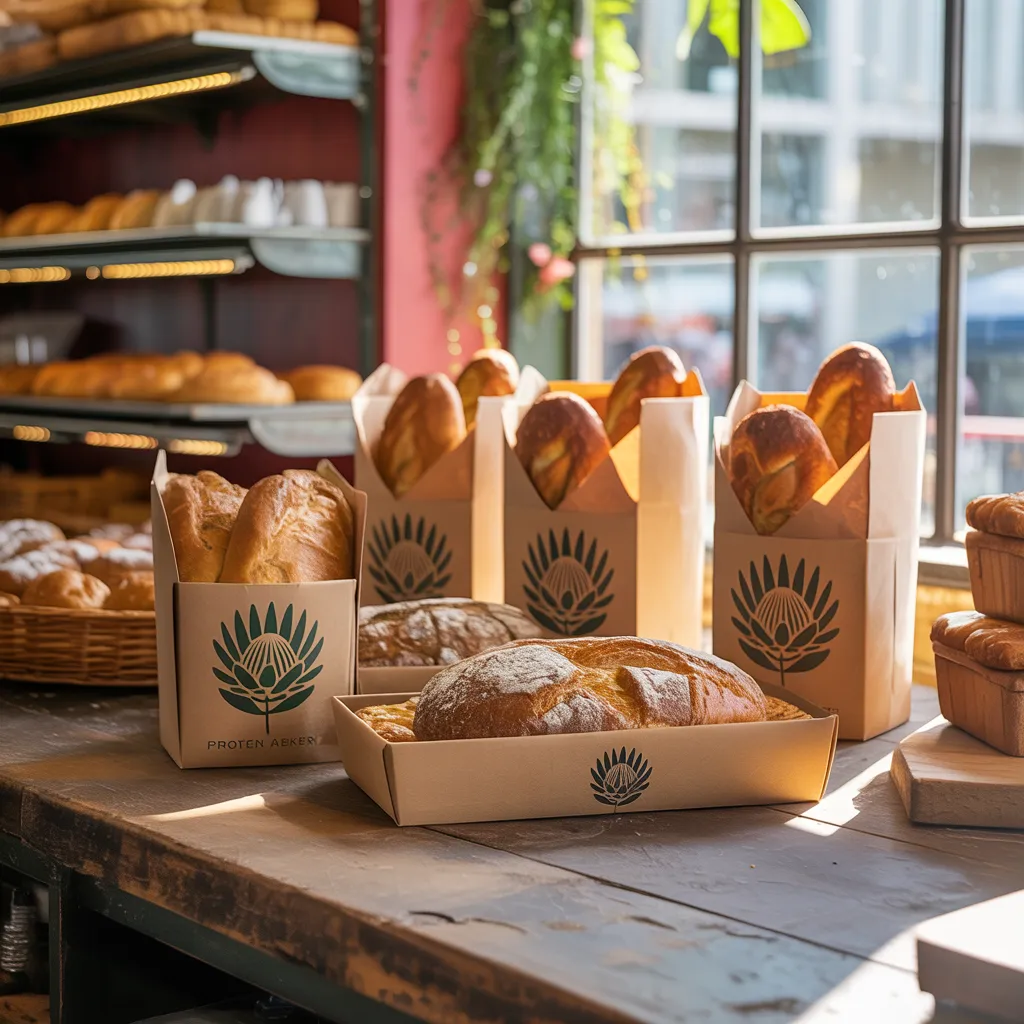
The Significance of Baking Packaging for Freshness and Attractiveness
When evaluating the effectiveness of baked goods, packaging serves a vital function in preserving freshness and enhancing visual appeal. The right packaging not only sustains the quality and freshness of baked items but also engages customers with its presentation. Freshness is paramount; poor packaging can cause staleness or spoilage, undermining the product's overall attractiveness.
Additionally, compelling packaging can reflect a brand's identity and stir emotions, ultimately influencing consumer choices. Color, form, and texture collectively influence the impression of quality. A carefully crafted package can work as take the first step a strategic marketing resource, expressing the skill and dedication behind the bakery products.
In a competitive market, strategic packaging sets a product apart, enhancing its visibility on store shelves. Ultimately, the importance of packaging extends beyond mere functionality; it is an integral part of the overall experience for consumers, ensuring that baked goods are not only fresh but also enticing.
Types of Packaging Materials to Keep Your Treats Fresh
In terms of maintaining the quality of baked goods, the use of packaging solutions is critically important. Plastic containers deliver secure seals that lock in moisture, while numerous paper wrapping choices deliver ventilation and an artisanal quality. Knowing the advantages of each option can aid bakers in making informed decisions to optimize freshness.
Advantages of Plastic Containers
Plastic storage containers provide an effective option for keeping the freshness of baked items. Their airtight seals effectively protect against moisture and air exposure, which can lead to spoilage. Sturdy yet lightweight, plastic containers are simple to carry and maneuver, making them well-suited to both amateur bakers and commercial establishments. They can be found in various shapes and sizes, accommodating everything from cookies to cakes. Moreover, numerous plastic containers are clear, enabling appealing displays while enabling customers to view the contents easily. A notable additional benefit is their reusable nature, as they can be washed and repurposed. Moreover, plastic containers are typically cost-effective, making them suitable for budget-conscious bakers while ensuring that products remain fresh and appealing.
Paper Packaging Alternatives
Many paper packaging alternatives deliver practical solutions for preserving the freshness of baked treats. Oil-resistant paper is well-regarded for its effectiveness to resist oil and moisture, preserving the quality of items like baked confections. Wax-coated paper delivers similar benefits, establishing a barrier against humidity and exposure, while also providing a traditional look. For bulkier items, paper bags featuring a window enable visibility while securing contents from external elements. Additionally, kraft paper boxes are sturdy and biodegradable, making them a sustainable solution for baked desserts. Each option not only guarantees freshness but also boosts presentation, inviting customers to enjoy the baked goods inside. Ultimately, opting for the best paper packaging can enhance both visual appeal and freshness.
Top Design Tips to Make Your Treats Impressive
Creating an eye-catching design for baking packaging can considerably increase the attractiveness of confections. Initially, color serves as a critical element; vibrant hues can attract attention while complementing the flavor profile or theme of the confections. Using contrasting colors for text and background guarantees readability and draws the eye.
Incorporating unique shapes and materials can additionally make packaging stand out. Specially crafted die-cut boxes or window panels let consumers to glimpse the products inside, increasing attractiveness.
Typography deserves careful attention; choosing font styles that capture the company's identity can considerably shape overall brand impression.
Lastly, integrating decorative elements such as stickers, ribbons, or stamps can provide a distinctive character, improving the general appearance. Such design approaches not only elevate the item's aesthetic quality but also convey craftsmanship and attention to detail, building a relationship with interested shoppers.
How to Pick the Right Box for Your Treats
Selecting the ideal packaging for bakery items requires careful consideration of multiple essential factors. To begin, the measurements of the box should correspond to the quantity and type of items being packaged. A snug fit prevents movement, which can cause damage. Next, material choice is vital; durable materials like corrugated cardboard or plastic provide protection while maintaining freshness.
The design of the box also plays a role, as it ought to enhance the visual appeal of the treats inside. Clear windows can display elegantly decorated treats, while bright hues can capture attention. It is also important to consider the box's ease of assembly and handling; uncomplicated designs support faster packing and handling.
Finally, verify the box is food-safe, as safety is essential in food-related packaging. Through balancing size, material, design, and functionality, bakers can identify the perfect box that protects their creations while presenting them beautifully.
Eco-Friendly Baking Packaging Options for Conscious Bakers
As more bakers place greater emphasis on sustainability, environmentally friendly packaging solutions are becoming a necessity. Eco-conscious materials, including recycled paper and plant-derived plastics, are growing in popularity among environmentally aware bakers. Additionally, compostable packaging solutions offer an environmentally responsible way to present baked goods while minimizing waste.
Sustainable Material Choices
What truly determines the sustainability of a baking packaging choice? It depends on the materials chosen and their impact throughout their lifecycle. Eco-aware bakers are turning more and more to options crafted from renewable resources, such as recycled paper, bamboo, and plant-based plastics. Such materials help lower dependence on fossil fuels while also cutting down on waste. In addition, sustainable packaging should feature a lightweight design to reduce transport emissions and be intended for reuse or recycling. Bakers could explore locally sourced packaging options, which bolster local economies and help shrink carbon footprints. Ultimately, the goal is to balance functionality with environmental responsibility, ensuring that the packaging preserves freshness without compromising the planet's health. Such mindful choices resonate with eco-conscious consumers, enhancing brand loyalty and awareness.
Eco-Friendly Compostable Packaging
While many bakers aim for eco-friendly practices, compostable packaging alternatives prove to be an ideal option for individuals focused on eco-conscious practices. Such materials, frequently sourced from natural plant-based compounds, degrade naturally while improving soil quality, rendering them perfect for sustainability-focused baking businesses. Options include compostable bags, containers, and wraps that maintain freshness while minimizing environmental impact. Moreover, incorporating such materials can elevate a brand's profile, appealing to consumers who prioritize eco-friendly products. Several manufacturers supply an assortment of aesthetic options, ensuring that bakers can find aesthetically pleasing options that align with their branding. Through selecting compostable packaging, bakers help diminish landfill accumulation, creating a positive ripple effect within their communities and the planet.
Adapting Packaging to Express Your Brand Identity
Developing packaging that represents a brand's identity is crucial for making an impact in a competitive market. Tailored packaging not only elevates the aesthetic quality of baked goods but also expresses a brand's ethos and journey. From colors and fonts to materials and shapes, every aspect contributes to a unified brand identity. To illustrate, a bakery committed to environmental responsibility can opt for environmentally conscious materials featuring simple aesthetics, while a high-end brand might select premium finishes and sophisticated typography.
Incorporating unique brand components, such as logos and taglines, strengthens brand recognition and fosters customer loyalty. Furthermore, exclusive packaging designs can create excitement and encourage repeat purchases. By matching packaging decisions with their broader brand strategy, bakery owners can create a lasting customer experience that extends beyond the product itself, ultimately driving sales and enhancing brand reputation in a crowded market.
Frequently Asked Questions
What Is the Proper Way to Store Baked Goods Before Packaging?
To adequately store baked goods ahead of packaging, one ought to cool them fully on a cooling rack, then place them in airtight vessels or wrap them tightly in cling film to retain freshness and prevent moisture loss.
Can Store-Bought Baked Goods Packaging Be Reused?
Indeed, one can reuse packaging from store-bought baked goods, as long as it is in clean and intact condition. That said, maintaining proper sanitation is important to avoid contamination and preserve the freshness of the freshly baked goods.
What Packaging Size Is Ideal for Different Types of Baked Goods?
Optimal packaging sizes differ: small boxes are perfect for cookies, medium-sized containers are ideal for cupcakes, while larger boxes accommodate cakes. Ensuring snug fits prevents damage and maintains freshness, enhancing the overall presentation of each baked good.
How Can I Ensure My Packaging Is Food-Safe?
To secure the safety of food packaging, individuals should choose materials that have been approved by regulatory bodies, eliminate the use of toxic chemicals, and ensure that packaging containers remain non-toxic. Additionally, employing correct sealing procedures and ensuring cleanliness throughout the handling process greatly strengthens packaging safety.
What Are the Expenses Involved With Custom Packaging Options?
The expenses related to custom packaging options differ significantly depending on materials, design complexity, and order quantity. Companies frequently encounter potential shipping expenses, production costs, and initial setup fees, influencing comprehensive financial planning for packaging options.